
Executive Summary
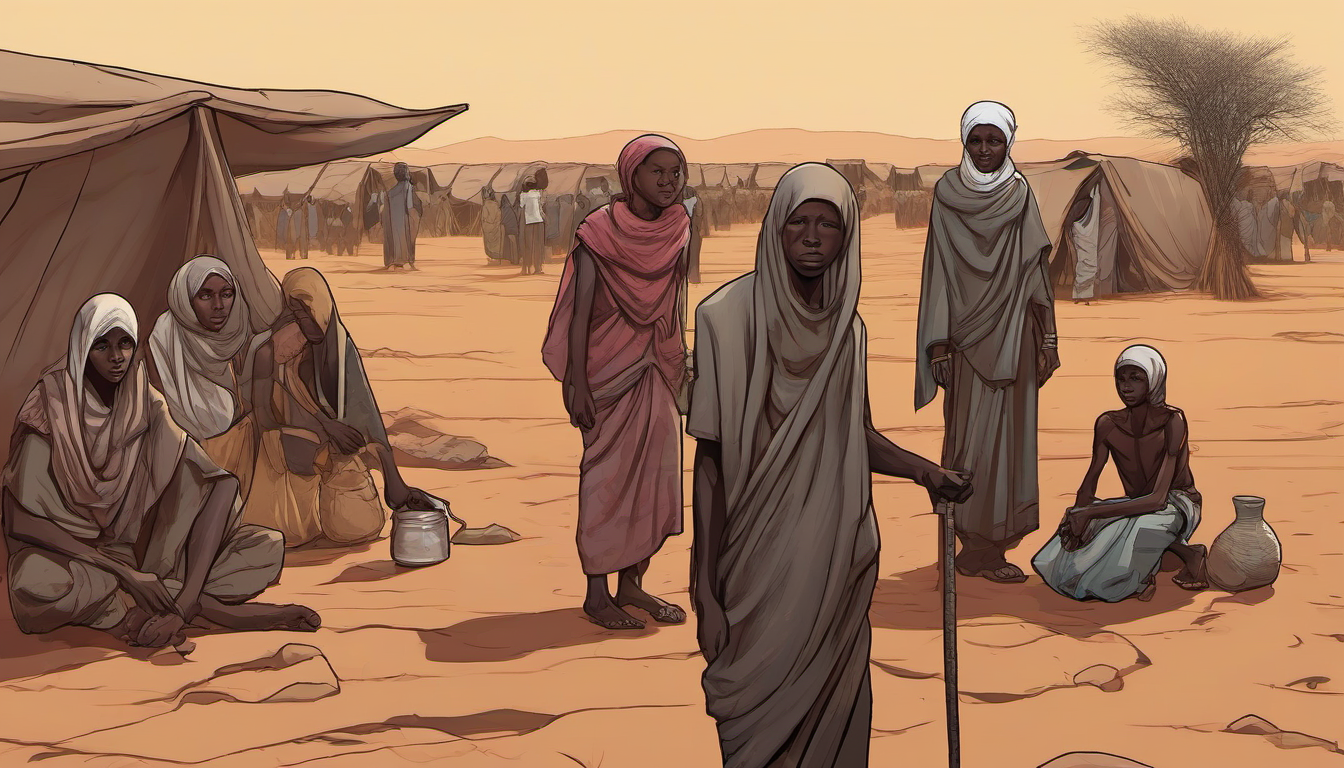
Sudan is experiencing the world’s worst humanitarian crisis, yet remains invisible to international attention due to Ukraine and Gaza conflicts. Key data: 25 million facing severe food insecurity, El Fasher massacre with 60,000-100,000 estimated deaths, over 12 million internally displaced. Famine conditions spreading across Darfur with child malnutrition rates soaring.
Chapter 1: Origins and Evolution of the War
On April 15, 2023, fighting erupted between the Sudanese Armed Forces (SAF) and Rapid Support Forces (RSF). These two forces were once allies who together overthrew Omar al-Bashir’s dictatorship. However, power-sharing disputes during the transition to civilian government exploded into conflict.
What is the RSF?
The RSF originated from the notorious Janjaweed militia of the Darfur conflict. During the 2003-2008 Darfur conflict, the Arab Janjaweed were condemned for massacres, rape, and village burnings against non-Arab populations. In 2013, the Bashir regime incorporated them into a formal paramilitary organization, creating the RSF.
RSF Commander Mohamed Hamdan Dagalo (known as “Hemedti”) was a Janjaweed commander who expanded his forces by deploying mercenaries to Libya and Yemen with UAE and Saudi support.
Chapter 2: The El Fasher Massacre — The Horror in Numbers
On October 26, 2025, after an 18-month siege, the RSF captured El Fasher. What followed may be recorded as one of Africa’s worst massacres since Rwanda.
Death toll estimates:
- Official announcement: Statistics unavailable (governance collapse)
- Scholar estimates: 60,000-68,000 (as of December 2025)
- Kholood Khair estimate: Over 100,000 (“genocidal violence”)
Why no exact figures? After El Fasher’s fall, independent journalists and aid organizations were completely blocked from access. Hospitals were destroyed; only survivor testimonies convey the horror.
Methods of Massacre
According to witness testimonies and leaked reports: ethnic cleansing targeting non-Arab Masalit, Fur, and Zaghawa tribes; mass executions of men; weaponized rape; and starvation through blocked access to food and water.
Chapter 3: Spreading Famine — When Hunger Becomes a Weapon
According to the UN-backed IPC report from February 6, 2026, famine conditions are spreading across Darfur.
Famine-declared areas: El Fasher (December 2025), Um Baru (February 2026), additional West Darfur areas (February 2026).
Shocking statistics:
- Severe food insecurity: 25 million (52% of 48 million population)
- Internally displaced: 12 million (world’s largest)
- At famine risk: 1.3 million (IPC Phase 5)
- Children under 5 with acute malnutrition: 3.9 million
This famine is not a natural disaster. It is man-made starvation: agricultural collapse from conflict, humanitarian access blocked, market functions paralyzed, healthcare system collapsed.
Chapter 4: External Actors — The International Dimension
UAE’s Dual Role
The UAE is the most controversial external actor. UN investigations show UAE has supplied weapons and funding to RSF. Aircraft from UAE have been photographed landing at RSF strongholds in Darfur. Simultaneously, UAE pledged $500 million in humanitarian aid for Sudan in February 2026. Critics call this “aid-washing.”
Arms Supply Network
- UAE → RSF: Small arms, drones, funding
- Egypt → SAF: Air defense systems, aircraft maintenance
- Russia → Both sides: Weapons, Wagner Group links
- Turkey → SAF: Bayraktar drones
Chapter 5: Why Sudan is Ignored
- Geopolitical value: Sudan isn’t directly tied to major power interests like Ukraine (Russia containment) or Gaza (Israel security)
- Media access: Independent journalists blocked, lacking vivid field reporting
- No clear good guys: Both RSF and SAF have human rights violation records
- Aid fatigue: International relief resources concentrated on Ukraine and Gaza
Scenario Analysis
Scenario A (15%): Ramadan ceasefire succeeds — requires UAE pressure on RSF, meaningful US incentives.
Scenario B (60%): Conflict stalemate continues — famine spreads, death toll rises, refugee crisis worsens.
Scenario C (20%): RSF military victory — RSF/Hemedti-led government, international isolation, continued oppression.
Scenario D (5%): International intervention — UN peacekeepers, unlikely given Russia/China opposition.
Conclusion: What Must the World Do?
Sudan’s crisis is a question for humanity’s conscience. 60,000-100,000 dead, 25 million at risk of starvation, 12 million forcibly displaced — how big must these numbers grow before the world pays attention?
Immediate actions needed:
- Pressure both SAF and RSF to guarantee humanitarian access
- Enforce arms embargo — cut current weapons flow
- ICC investigation into commanders on both sides
- Long-term funding commitments for humanitarian aid
Sudanese people are dying outside the world’s attention. This could become our era’s Rwanda, our era’s Bosnia. As long as we look away, history will not forgive us.
Leave a Reply