-
The Silicon Breakout: Huawei’s Ascend 950 and the End of the Chip Blockade

Huawei’s Ascend 950PR claims 2.87x Nvidia H20 inference performance, wins ByteDance and Alibaba orders with in-house HBM, and arrives as US export controls enter regulatory vacuum — marking a structural inflection in the chip war.
-
The Autonomous Checkout: How AI Agents Are Hijacking the $262 Billion Payment Chain

AI agents influenced $262 billion in U.S. holiday sales, and in March 2026 Mastercard and Visa simultaneously launched live autonomous payment infrastructure across 30+ countries. The $8.5 trillion global payments industry faces its most fundamental architectural change since credit cards in the 1950s.
-
The COPD Breakthrough: AstraZeneca’s $5 Billion Bet on the World’s Third Deadliest Disease

AstraZeneca’s tozorakimab achieves historic double Phase III win in COPD — the first IL-33 biologic to succeed where Sanofi and Roche failed — opening a $3-5 billion opportunity in a $27 billion market for the world’s third leading cause of death.
-
The Orwellian Ruling: How a Federal Judge Redrew the Line Between AI Ethics and National Security

A federal judge granted Anthropic a preliminary injunction against the Pentagon’s supply chain risk designation, calling it ‘classic illegal First Amendment retaliation’ — the first judicial determination that an AI company cannot be punished for refusing autonomous weapons and mass surveillance use. The 43-page ruling exposes a deepening schism in AI between compliance and conscience.
-
April’s Edge: The 72-Hour Chain Reaction
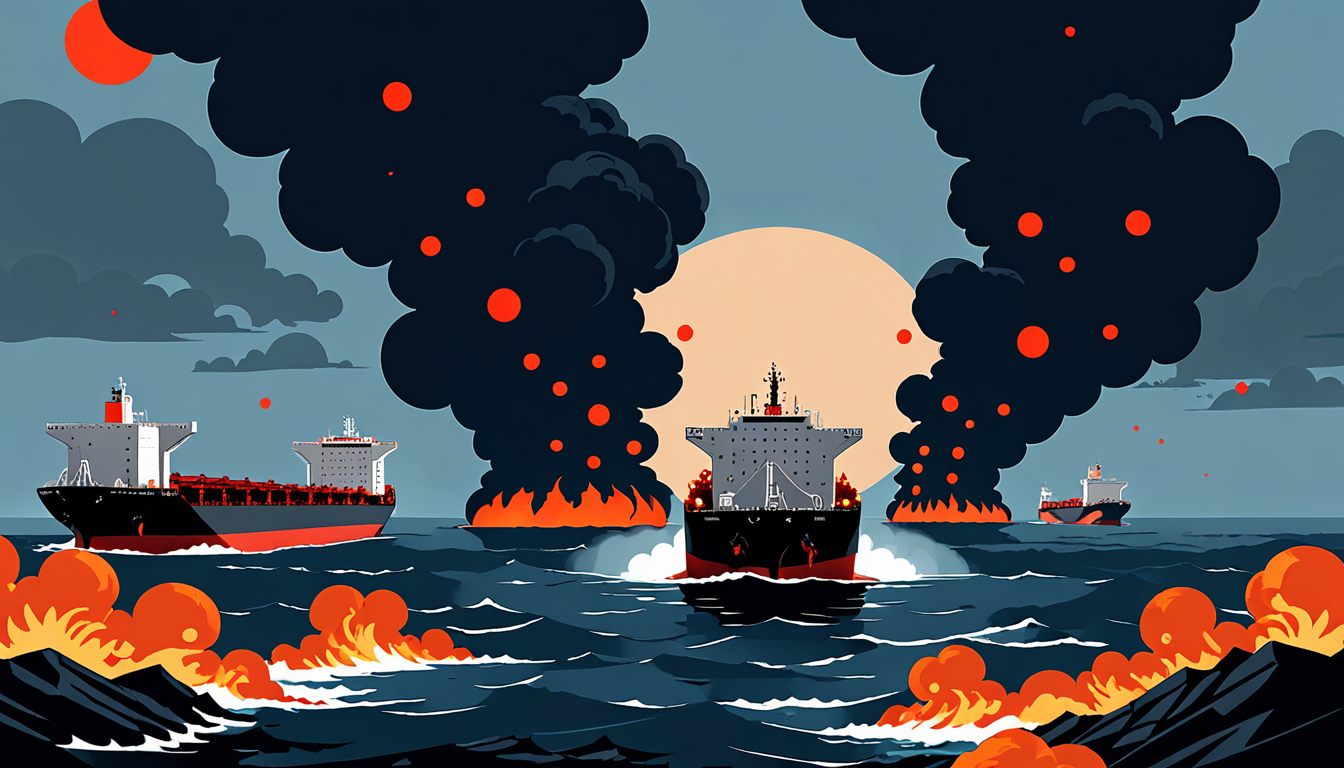
Three structural crises converge in eight days: reinsurance renewal, Trump’s Iran ultimatum, and dual chokepoint activation. The Houthi entry transforms Hormuz from single disruption to unprecedented dual-strait catastrophe.
-
The Invisible Siege: Water, Not Oil, Will Decide the Gulf War’s Endgame
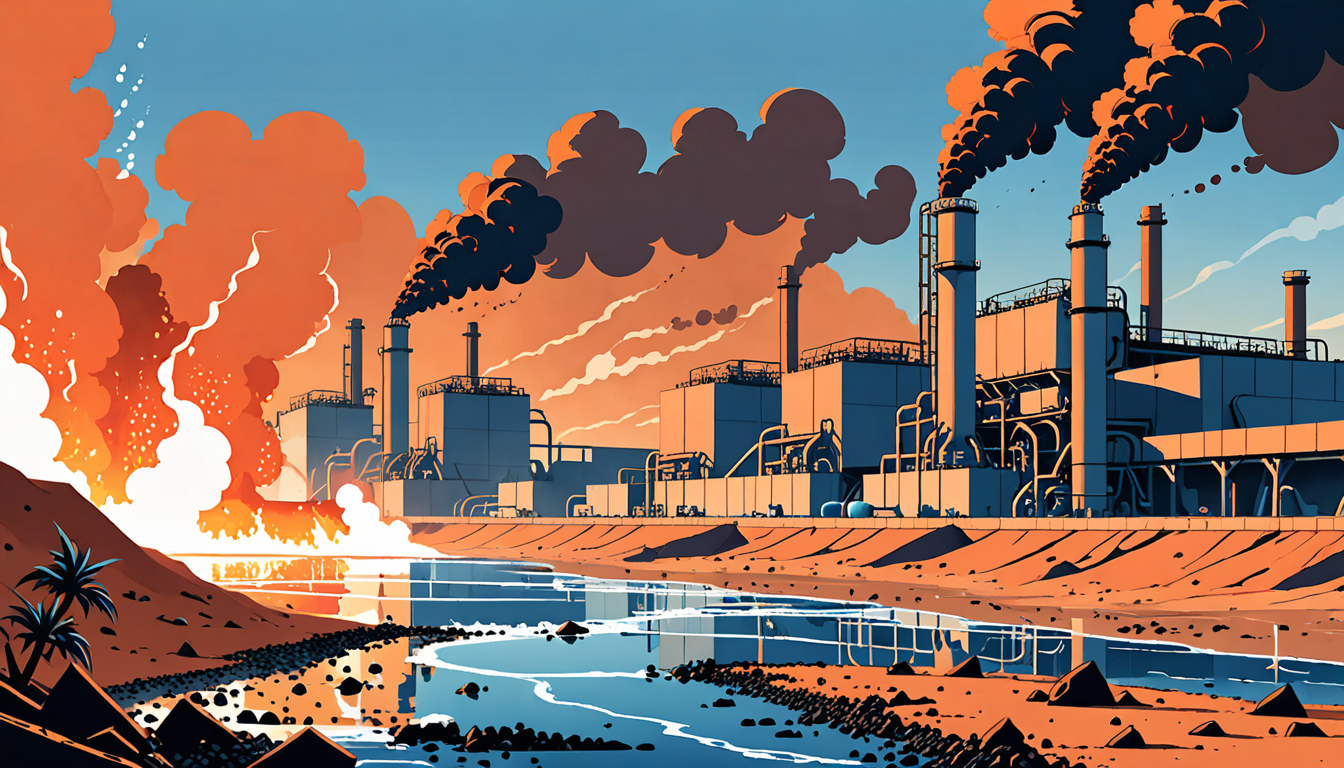
One month into the Iran war, the world obsesses over oil prices. But a far deadlier crisis is unfolding in silence: the systematic targeting of desalination plants threatens to make entire Gulf nations uninhabitable within weeks. Water — not crude — may force the first ceasefire.
-
Ukraine’s Gulf Defense Pivot: The $2,000 Solution to a $4 Million Problem

Ukraine has signed defense agreements with Saudi Arabia, UAE, and Qatar in 72 hours, deploying 220+ anti-drone experts to the Gulf. The core proposition: drone interception at $2,000 per kill versus the $4 million Patriot missiles Gulf states are burning through. This pivot creates the most consequential unintended consequence of the Iran war.
-
The Lost Season: How Four Weeks of War Are Locking In Next Year’s Hunger

The spring planting window is closing. US spring wheat acreage at 1970 lows, corn plantings plummeting, and 45 million more people facing acute hunger—even if ceasefire comes tomorrow, agricultural losses are irreversible this season.
-
Moscow’s Windfall: How the Iran War Rescued Russia’s War Budget and Shattered the Sanctions Architecture

Russia’s oil export revenues surged 120% in four weeks as the Iran war inadvertently demolished the Western sanctions architecture. The Kremlin scrapped budget cuts, India doubled Russian crude imports to 40%, and the $60 price cap effectively died—all as unintended consequences of America’s Middle East campaign.
-
The Buffer Cliff: Why the Next Three Weeks Will Decide the Global Economic Order

Oil industry stopgap measures are running out. CERAWeek CEOs warn of unprecedented paper-physical price divergence as three April deadlines converge. With Houthi entry opening a second chokepoint, the next 1-3 weeks will determine whether managed crisis becomes unmanaged catastrophe.

Eco Stream
Global Economic & Geopolitical Insights | Daily In-depth Analysis Report